Light Exposure
Light is the primary signal that regulates circadian rhythm. Morning light helps set a consistent sleep-wake cycle, while evening light reduction supports sleep preparation.
Educational exploration of circadian rhythms, sleep architecture, and the biological foundations of stable sleep patterns.

Your body operates on a roughly 24-hour cycle known as the circadian rhythm. Understanding this pattern helps explain sleep timing and quality.
Light is the primary signal that regulates circadian rhythm. Morning light helps set a consistent sleep-wake cycle, while evening light reduction supports sleep preparation.
Body temperature naturally drops before sleep and rises before waking. A cool sleep environment aligns with this biological temperature pattern.
Various hormones, including melatonin, follow circadian patterns. Understanding these patterns helps explain sleep onset and quality.
Sleep consists of multiple stages cycling through the night. A full sleep cycle supports both mental clarity and physical restoration.
Sleep is not a single state but a sequence of distinct stages that cycle throughout the night. Each stage serves important functions:
This is educational information about sleep architecture. Individual sleep patterns vary significantly.
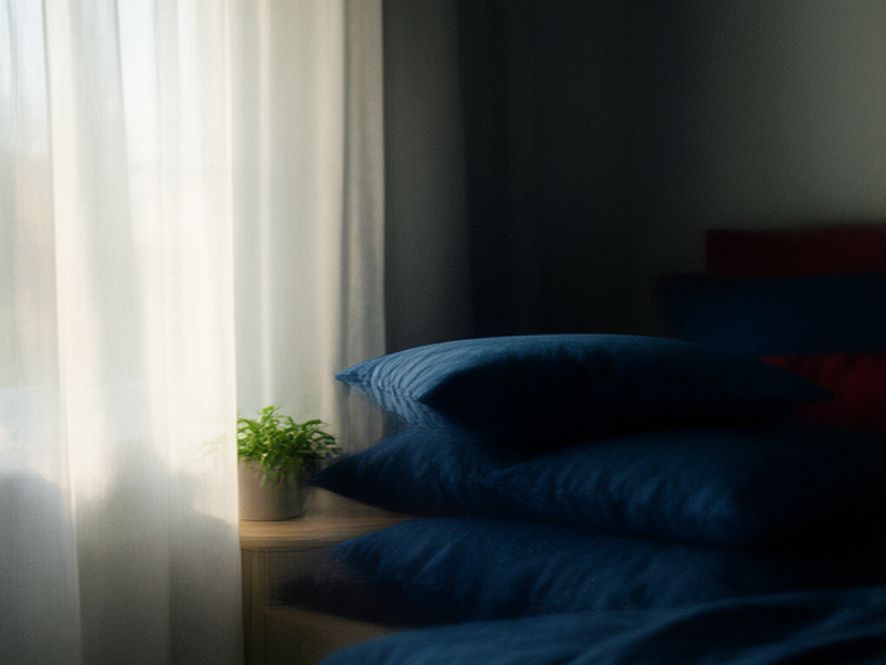
Monitoring your sleep patterns can provide valuable educational insights:
| Tracking Method | Purpose | Limitations |
|---|---|---|
| Sleep Journal | Record bedtime, wake time, and subjective quality | Based on perception, not measurement |
| Wearable Devices | Estimate sleep stages via movement and heart rate | Varies in accuracy; not clinical-grade |
| Sleep Diary Notes | Track factors affecting sleep (stress, food, activity) | Requires consistent commitment |
| Clinical Sleep Study | Precise measurement via EEG and monitoring | Requires medical referral; not routine |
This is informational content. For sleep concerns, consult a healthcare provider. Wearable estimates are for educational reference only.
Your sleep environment plays a significant role in supporting consistent sleep patterns:
Darkness signals your body to produce melatonin. Reducing light exposure 1–2 hours before bed supports natural sleep onset.
A bedroom temperature around 16–19°C (60–66°F) aligns with natural sleep temperature patterns and supports deep sleep.
Consistent, quiet environments reduce sleep disruptions. White noise can mask variable sounds that might disturb sleep.
Good ventilation and oxygen levels support sleep quality. Opening windows periodically helps maintain air freshness.
A supportive mattress and comfortable bedding reduce physical restlessness and support longer sleep duration.
Keeping electronic devices out of the bedroom reduces blue light and digital distractions.